
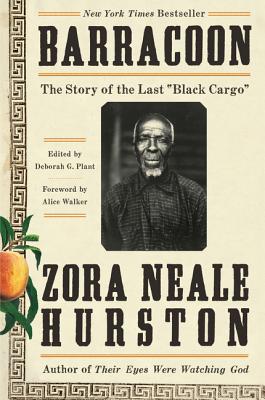
 In Barracoon, author Zora Neale Hurston (1891-1960) brings the eye and gifts of a novelist, folklorist, and cultural anthropologist to the words and experiences of Cudjo Lewis. Lewis was one of the Africans brought from West Africa to the United States on the last covert slave ship, Clotilda, in 1859, fifty years after the slave trade was outlawed.
Cudjo Lewis was his American name; he preferred his birth name of Oluale Kossola. Hurston interviewed him in 1927, when he was 86 years of age. He recounted in vivid detail the atrocities African peoples inflicted upon themselves, the greed and inhumanity of slavers, the barracoon huts in which the captured were held, the transatlantic journey, the life of a slave in Alabama, and life after emancipation. She honors Kossola’s storytelling sensibility–rooted as it is in Africa–and maintains his vernacular diction.
These accounts were too raw for mid-twentieth century publishers, and the manuscript came to light long after Hurston’s death. As author and social activist Alice Walker wrote in her foreword, Zora Neale Hurston “gets the grisly story from one of the last people able to tell it.”
Learn more about Barracoon or order it from our Bookshop HERE.
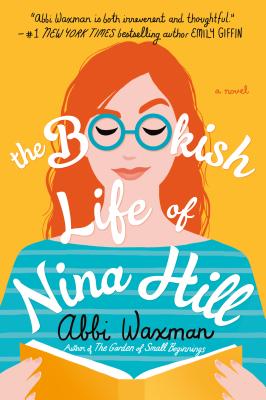 This book opens with two epigraphs that give us a picture of the protagonist: “Solitude is independence” (Hermann Hesse) and “Independence is happiness” (Susan B. Anthony). Nina Hill, the protagonist, is quite content with her life focused as it is on her cat, Phil; her job in an independent bookstore (Angelenos will recognize the beloved Chevalier’s); and her winning Trivia Contest team, Book ‘Em Danno. She is edged out of her comfortable shell by two concurrent events: the discovery of a family about which she had not known and an unexpected spark of interest in her trivia nemesis, Tom.